Category: Seniors Yoga therapy

  • Eat foods to suit your digestion

    Eat foods to suit your digestion

    Learn to eat foods that suit your digestion

    As we age our digestive fire becomes weaker. Bloating, gas and gut problems will happen if you eat foods that do not suit your digestion. Our digestion can be impacted simply by a change of season – especially the colder weather. For this reason it is a time we need to be particularly aware to listen to our bodies signals.

    Our Ayurveda and Yoga for over 40’s “live-online” classes are a great place to start as we introduce Ayurveda in a simple way you can digest.  Traditionally  Yoga and Ayurveda are practiced together. It is very beneficial to learn about Ayurveda and your digestion to improve the quality of your life.

    There are several other factors that can disturb the balance of our system such as excessive talking, movement, wrong types of foods, sounds, smells and touch. Our constitution or Prakruti* is what we are born with and it only becomes a problem when aggravated. Others doshas may dominate according to lifestyle habits and these are called Vikruti*. It too can be a problem if it gets too far out of balance.

    Yoga and Ayurveda as Therapy
    Learn the benefits of combining Yoga with Ayurveda

    There are many benefits to incorporating an Ayurvedic lifestyle. Similarly Ayurveda provides knowledge of our strengths and weaknesses on all levels. Each individuals Prakruti determines what we can and  cannot digest. If you take in things that you can’t digest, they turn toxic in your body and create imbalances in the doshas*. Imbalances in the doshas result in both physical and mental disorders.

    Ayurveda guidelines enhance our digestive system

    Ayurveda aims to reduce or avoid foods that cannot be digested. This in turn will  aid the digestion to ensure our food becomes our medicine and provides maximum benefit. Some foods or cooking methods recommended by Ayurveda seem counter-intuitive to the Western idea of nutrition.

    Contemporary beliefs promote a broad range of foods to ensure adequate nutrition. However this can be problematic with wrong food combinations and eating out of season etc.  Ayurveda focuses on foods that are the best for each persons unique system when and how to eat them. Consequently eating  inline with your Prakruti and using certain cooking methods will aid digestion. In turn the nutrients can be absorbed readily and you will be healthier all round.

    Ayurveda the science of life

    In the West, we often use vitamin and mineral supplements because our body cannot absorb sufficient nutrients from our regular diet. According to Ayurveda, this is probably because we cannot digest the foods containing these nutrients or other eating habits.  Ayurveda says that if our digestion is working well we will absorb all of the nutrients we need from compatible foods. Despite the fact that cooking may reduce some nutrients. As the golden rule of real estate is position, position, position, the golden rule of Ayurveda the science of life is digestion, digestion, digestion.

    Ayurveda doshas

    Learn about your digestion with Ayurveda

     * Prakruti – primal nature; also our biological constitution at birth

    * Vikruti – current imbalance or disease state

    * Dosha – one of the three basic types of biological energy, which determine individual constitution: Vata, Pitta and Kapha. It can also mean the excess of one of these in nature.

    Take our Ayurveda test 

    Vata, Pitta, or Kapha? According to Ayurvedadoshas are the energy patterns that flow around our bodies, governing our thinking and behaviour. Read more about why you would want to complete our dosha test here.

    This Dosha Quiz will give you a breakdown of your Ayurvedic mind-body type. At the end of the test, you will learn about your personal Ayurveda type which can be used as a general guide for tips to enhance your health, from nutrition to yoga and meditation.

    Balance is the key to a healthy body and mind and the ancient tools of Yoga and Ayurveda really do work! Below are basic Ayurveda eating guidelines.

    Yoga Ayurveda just do it

    Try our short Ayurveda dosha test

    Our short test will only provide somewhat of an understanding of your dosha but it is not conclusive as there are many variables that come into play. Put a mark against which best describes you and get yourself a tally. If you would like to have a private one-on-one session with Zoe at Bondi Yoga Therapy you can read more about this here.

    Holistic nomads has an even more comprehensive Ayurveda dosha test but this does not replace a consultation with an Ayurveda practitioner.

    Book your Yoga Works for Over 40s online classes and be a part of making a positive change to your life.

  • Pineal Gland and the effects of Technology

    Pineal Gland and the effects of Technology

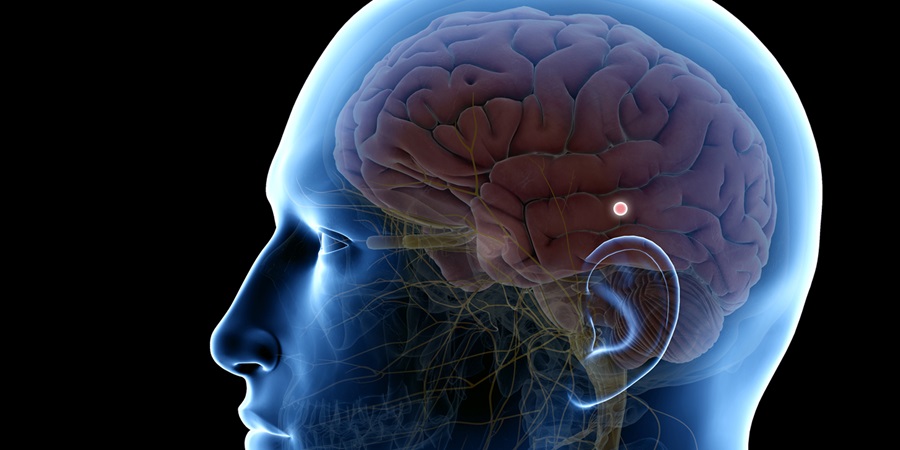
    The glow of technology suppresses and effects the pineal gland from functioning properly in the brain. This gland the Yogis have recognised for thousands of years. Did you know that the pineal gland produces melatonin? Likewise it is activated by darkness and inhibited by light. As well as suppressed by electromagnetic fields (EMF) released by mobile phones and other wireless devices (5G).

    Magical pineal gland is an endocrine gland sitting alone in the brain, level with our eyes. Whether we look at it from a philosophical or a scientific point of view, the pineal gland plays a vital role in mental, physical, and spiritual health. Yogis have long known h importance of the pineal gland with postures having a positive effect. However the ongoing and long effects of Technology are only just being known.

    Technology Addiction and Pineal Gland

    What Does the Pineal Gland Do?

    Melatonin is what the pineal gland produces and this is in charge of our daily and seasonal circadian rhythms. There is a direct connection to our sleep cycles and the quality of our sleep from melatonin. It also regulates the onset of puberty.

    High melatonin levels reduce cortisol which allows us to sleep at night. On the other hand, low melatonin levels increase cortisol which causes anxiety and disrupts our sleep patterns. Fighting against free radicals is what Melatonin is in charge of. A decline in melatonin can also trigger the ageing process in the body.

    Serotonin, the neurotransmitter of the happy chemical responsible for our mood, is transformed into melatonin only in the pineal gland. Melatonin is not only crucial to healthy cell growth, but it also affects the levels of a stress hormone called cortisol.

    Once released, melatonin circulates through the brain and enters nearby blood vessels that will distribute it to the rest of the body. When melatonin levels are disrupted, people often experience mood swings, depression, and seasonal disorders.

    Spiritual Aspects of the Pineal Gland

    Given its essential role, it comes as no surprise that an activated and healthy pineal gland has been linked with spirituality for millennia. Its pinecone shape can be found in art and artefacts of many ancient traditions, where it is associated with enlightenment and immortality. Ancient Egyptians admired this tiny gland so much that they even preserved it separately during the process of mummification.

    The pineal is a major psychophysiological centre or a chakra (energy centre), according to Yogic teachings.  Many people consider the pineal gland to be the source of intuition and clairvoyance. It has also been called “the principal seat of the soul,” and the portal to the higher dimensions. This is because the pineal, or third eye, provides perception beyond plain sight.

    Online Yoga Seniors

    When the pineal and the third eye are awakened, our whole body awakens. They enable us to open up to having visions, clairvoyance, and other psychic gifts. It is crucial to our spiritual growth and consciousness to keep our pineal gland-free of toxic substances. As we become more toxic, and exposed to the effects of technology our pineal gland calcifies further. This causes us to lose our spiritual connection to higher energies and our oneness with everything.

    Technology overuse and the effects on the body

    We define technology addiction as an uncontrollable impulse that forces you to use mobile devices, the internet, graze on social media or simply play games. These malpractices lead to the Pineal gland not working properly. The effects this has on the body will be further explained. Our Sleepy Time Yoga is part of the Yoga for over 40’s (online) classes and will help you to sleep and counter the effects of technology on your pineal gland.

    In general, addiction is characterised by the inability to consistently abstain from something. Impairment in behavioural control, craving, reduced recognition of major problems with one’s behaviours and interpersonal relationships, and impaired emotional response.

    Technology Addiction and Pineal Gland

    Technology Addiction

    Like many other chronic diseases, addiction often involves cycles of relapse and remission. Without treatment or engagement in recovery activities, addiction is progressive and results in disability or premature death.

    Four key parts constitute addiction:

    1. Addiction include both substances or/and activities such as sex, work, media, eating, shopping, alcohol, drugs and gambling
    2. An addiction leads to substantial harm
    3. The definition of addiction is repeated involvement despite considerable harm
    4. Pleasurable and/or valuable is what makes adddiction persists

    Addiction is a psychological or physical need to do or use something, to the point where it could be detrimental to you.

    Technology addiction – Zoom, Facebook, Youtube and isolation

    With the increase in the use of technology, staying at home, using Zoom and Facebook etc to connect with the outside world our dependency and addiction to a digital life has increased. People are spending hours each day browsing social media or playing games while forsaking other aspects of their lives. No matter what the person’s addiction is, they can’t control how they use it. They may even start to rely on it to get through daily life.

    Some studies suggest that addiction is genetic. However, environmental factors, such as being brought up by someone with an addiction could also increase the risk. An addiction is a way of masking or medicating the difficulties within one’s life. Research shows addiction often is triggered by childhood trauma and abuse.  However, it can come from other things such as unemployment, poverty along with stress, and emotional or professional pressure.

    Online Yoga seniors over 40's with Zoe

    A digital detox story

    A good friend told me about “sleep hygiene.”  Likewise I started shutting the lid on the computer, no later than 7 p.m. But I still had the phone.

    A new strategy was to delete the Facebook app from my phone, this stopped me from looking at it throughout the day. But it was still only on my iPad. Lets limit myself to just one look before going to bed I thought. However before I knew it time had passed and I was so engrossed with the alternative media. With the recent bushfires, floods and now the plague of the COVID 19, I look at these devices even more.

    With three Facebook pages and one profile to manage there was always so much to do. Furthermore, I have two business websites that constantly need work to keep them alive. As well as five e-mail addresses, a LinkedIn business profile, Instagram photos, Twitter posts, Pinterest boards, Google business and Google Plus pages to manage. Yikes!

    Digital Detox yoga program

    Apps on devices are made to be addictive

    Messenger, Skype and WhatsApp and an app that helps to prevent any vagueness around money. Time has also been used up in front of the screen writing and uploading 4 digital books to iTunes and Amazon. Of course then I need to download iBooks, Kindle and the Kobo book reading apps.

    There has been no time for a TV in my life over the past 10 years. When I have time to watch something I use SBS and ABC on-demand viewing platforms.  The iPad is easily transportable and will go with me outside when I stop  to have a cuppa.  Making movies and editing images on my phone and iPad is enjoyable and time consuming.  There is always something to do. Talk about complicated and busy mind. Life is so full and I am so grateful for Sleepy Time Yoga.

    As a teacher of technology for that last 35 years, I know there are many benefits with technology and I marvel at the changes. However, anything in excess soon becomes the exact opposite – a disadvantage. If we do anything too much, we begin to lose balance and feel the painful symptoms.

    What Yoga Can Do to Counteract the Effects of Overdosing On Technology

    Optimal health and balance of the entire being is Yoga’s mission. Technology addiction can directly affect the pineal gland and this leads to being out of balance. Quality of life is diminished. Learning tools to bring your self into a state of balance is a much needed strategy in todays world. The irony is we use technology to connect yet in reality the effects of overusing a good thing, keep us separated from ourselves and others.

    The balancing act of Yoga poses, meditation, breathing and chanting may be everything we need to remedy our minds and get our circadian rhythms back in sync.  Some tips to keep yourself in balance are:

    • Spend time in the sunlight every day.
    • Shut the lid on computers at 7pm.
    • Sleep in complete darkness.
    • Commit to a regular meditation practice before bed, because this will develop and enhance your pineal gland.
    • There are many Yogic practices that are very powerful methods for awakening the pineal gland.
    • Inversions are especially helpful since they increase blood flow to the pineal while you are upside down.
    • The practice of Yoga Nidra and yogic sleep meditation can also help in awakening the pineal gland.

    Technology Addiction and Yoga

    Technology Addiction and Pineal Gland

    How Sleepy Time Yoga helps

    As a computer coach, a Yoga Ayurveda therapist and someone who is struggles with technology over use I know Yoga therapy works.  I have learnt many experience, knowledge and skills to help people with their technology addictions. You will learn to bring yourself to a state of balance.

    Learn how to be time efficient using technology. Likewise create time to focus on your visions and goals in life.

    By incorporating Yoga Ayurveda Therapy into your everyday life. Our Lunchtime Chair Yoga Therapy is about sitting at the desk. You will  bring into your everyday life when standing in a cue or the simple act of breathing, opening and stretching. Yoga reverses the harmful effects that technology has on the pineal gland, body and mind. Combining both Yoga Ayurveda therapy with technology you bridge the gap between the ancient teachings and the modern day technologies. As a consequence, you will move towards a healthier lifestyle.

    Yoga Therapy for over 40’s online classes include Good Morning Yoga, Lunchtime Chair Yoga and Sleepy time Yoga. You can read more here about the many benefits of Yoga therapy for Seniors here.

    If you are someone who has been struggling with technology addiction don’t hesitate to contact me today.

    Phone Number: 0407 956 071

    E-mail: bondiyogatherapy@gmail.com

    Website: www.yogaworksforover40s.com

    Facebook: facebook.com/ComptuerCoachAustralia

    https://www.facebook.com/yogaworksforover40s

    Instagram: https://www.instagram.com/yogaworksforover40s

    Youtube Channels: Computer Coach Australia and Yogaworksforover40s

    Twitter: @HitechyogiZoe


    References:

    https://www.hormone.org/your-health-and-hormones/glands-and-hormones-a-to-z/glands/pineal-gland

    https://www.asam.org/resources/definition-of-addiction

    https://www.mentalhelp.net/articles/definition-of-addiction/

    https://www.healthdirect.gov.au/what-is-addiction

    https://www.consciouslifestylemag.com/pineal-gland-activation-third-eye/

    https://upliftconnect.com/detoxify-your-pineal-gland/

    https://www.aurawellnesscenter.com/2013/04/18/how-yoga-affects-the-pineal-gland/

  • Good morning yoga

    Good morning yoga

    Good Morning Yoga with Zoe

    Yoga in the morning is a different class to Yoga at other times of the day. Consequently the focus of our Good morning yoga with Zoe is like a ritual. We will guide you  to start off the day in a conscious and self loving way.   Our bodies have been lying sedentary and just like a cat or dog can benefit from a stretch so can we. But let me give you a little tip from Ayurveda to boost our immune system.

    Start the day with a warm drink

    There are so many benefits combining Yoga and Ayurveda. In Ayurveda we use food and spices as our medicine kit. A great drink for Autumn and Winter to soothe the Vata’s hyper energy.  Combine warm lemon juice with a tsp of ginger powder and 1/2 tsp of turmeric into a glass of water. You can read more about our Vata tips here. For this reason it will kick start a sluggish digestive system. Consequently you will have a gentler way to start the day rather than a kick in the adrenal glands from coffee. Likewise this immune boosting drink is just what your germ fighting cells need to gather a strong army.

    Online Yoga seniors over 40's with Zoe

    The many benefits of turmeric

    The western world has picked up on the many benefits of turmeric, as turmeric contains bioactive compounds with powerful medicinal properties. Moreover turmeric has been used in India for thousands of years as a spice and medicinal herb.

    Curcumin is the main active ingredient in turmeric.

    • Turmeric Dramatically Increases the Antioxidant Capacity of the Body
    • Curcumin Is a Natural Anti-Inflammatory Compound
    • Turmeric Dramatically Increases the Antioxidant Capacity of the Body
    • Curcumin Boosts Brain-Derived Neurotrophic Factor, Linked to Improved Brain Function and a Lower Risk of Brain Diseases
    • Curcumin Should Lower Your Risk of Heart Disease
    • Turmeric Can Help Prevent (And Perhaps Even Treat) Cancer
    • Curcumin May Be Useful in Preventing and Treating Alzheimer’s Disease
    • Arthritis Patients Respond Very Well to Curcumin Supplements
    • Studies Show That Curcumin Has Incredible Benefits Against Depression
    • Curcumin May Help Delay Aging and Fight Age-Related Chronic Diseases

    You can read more about how turmeric improves your life in Healthline 

    Learn why eating fruit boosts your health

    By introducing your first piece of fruit into your system, this is a great start to bringing in four pieces of fruit a day. Fruit is uniquely known as natures little vitamin pills that grow on the trees, just for us. Similarly you could have an orange or banana.

    In the light of papaya let me tell you about the many benefits such as:- it lowers cholesterol. As a matter of fact papaya is rich in fibre, Vitamin C and antioxidants which, prevent cholesterol build up in your arteries. As well as:-

    • Helps in weight loss. …
    • Boosts your immunity. …
    • Good for diabetics. …
    • Great for your eyes. …
    • Protects against arthritis. …
    • Improves digestion. …
    • Helps ease menstrual pain.

    Learn how you can grow turmeric in your home no matter the climate it is possible!

    Ayurveda everyday tips with Zoe

    There are so many benefits and uses for sesame oil

    Another important good morning yoga  practice  is, to introduce to you sesame oil. Additionally sesame oil is known to be a boon to humanity. The sesame plant’s nutritional qualities have inspired some to dub its oil the “Queen of Oilseeds”

    Freshen your face with some water followed by a smearing of sesame oil. Turn your phone off and let’s get into our morning yoga practice. Make sure now to set yourself up in a place where you wont be disturbed and free from any draft. Have a blanket, mat and bolster at hand.

    Our Good morning Yoga with Zoe focus is on the breath

    Our good morning yoga class with Zoe, is a great way to start the day by stretching and bringing our focus to our breathing. The 4th limb of Yoga is called Pranyayama.  “Pranayama is control of Breath”. “Prana” is bringing the breath or vital energy into the body. On subtle levels prana represents the pranic energy responsible for life or life force, and “ayama” means control. So Pranayama is “Control of Breath”.

    Prāṇāyāma a Sanskrit word, is the practice of breath control in yoga. In modern yoga as exercise, it consists of synchronising the breath with movements between asanas, but is also a distinct breathing exercise on its own, usually practised after asanas. In our Good morning Yoga class we will start with a practice that includes body cleanses such as kriya and bhandas.

    We use pranayama to empty any impurities from the lungs. The breathing practices in Yoga are an opportunity to develop awareness on all facets of the breath. Together with the inhalation (puraka), pause (kumbhakha) and exhalation (rechaka) we have the complete cycle of the breath. Puraka is a word originated from India that means “inhalation.” Combining  kumbhaka (breath retention) and recaka (exhalation) we have a complete cycle of breathing that can be unnoticed throughout the whole of ones life. 

    Ayurveda every day tips with Zoe

    Yogapedia explains the importance of the breaths

    Many diseases are thought to be caused by disturbances within the pranic energy system in the body and mind. Therefore, effective practice of kumbhaka in conjunction with pranayama is believed to help prevent and treat a wide variety of diseases, from skin disorders to diabetes. Kumbhaka also has the following benefits:

    • Helps remove impurities from the body
    • Boosts physical and mental vitality
    • Improves concentration
    • Clears and stills the mind

    Puraka expands not only the body but the mind

    Performing puraka stimulates the body, enlarges the chest cavity, fills the lungs with air and moves the diaphragm down. It is believed that beginners should first practice puraka and recaka with a 1:2 duration ratio before moving on to practice kumbhaka.

    At the end of a proper puraka, the lungs should be filled and expanded completely, but it should still be a slow and controlled act; the time taken to perform puraka should remain consistent throughout repetitions. If a practitioner has to pause one or more times during the process of a single puraka, the process might be called a broken puraka.

    Puraka and the process of yogic breathing is a core skill for any yoga practitioner. Mastering the puraka-kumbhaka-recaka cycle not only aids in meditation and pranayama exercises, it also helps the practitioner surrender to asanas during their physical practice and can serve as a means of measuring the duration of poses.

    Rechaka signifies the exhaling surrender

    Rechaka, or rechaka pranayama, means “exhalation.” Slow rechaka also helps to maintain the elasticity of the lungs. It offers some major benefits for the brain, as well. The slow respiration requires the help of the cerebral cortex, which sends impulses to the respiratory centre. These impulses overflow into the hypothalamus (a centre of emotion) and quiets that area, providing a soothing effect.

    A controlled and focused rechaka helps prepare the individual for the yogic limb that follows pranayama: pratyahara (withdrawal of the senses). If the practitioner observes and focuses on their breathing, it helps switch off other senses and mental processes.

    Kumbhaka the inspirational pause between the breaths

    Kumbhaka means “breath retention.” It is a technique that is a key component of pranayama breathing exercises used in conjunction with meditation and some yoga asanas. By practicing Kumbhaka it is believed to increase the heat in the body and, in doing so, provide a range of physical and mental health benefits.

    focus on the breath

    Good Morning Yoga can be as simple as taking a conscious breath

    To fully benefit from our Good Morning Yoga practice,  we need to turn our attention inwards and this is done using the practice of the breath. The Buddha taught many different forms of breathing to increase our focus on the subject of meditation.

    In yoga we start with the body as our point of focus. Believe it or not, but our body is the easiest part to take control of. Our Good morning yoga practice is livelier than our other two classes. The lunchtime “Chair Yoga Works” and “Sleepy time Yoga” class. We will start off the day moving the body and stimulating our circulation and digestion with the asanas.

    Each class is finished with a Yoga Nidra relaxation to allow the body to settle and recalibrate. We also introduce gratitude, forgiveness and affirmations to start your day by setting up a positive mindset. Equally important our practice will end with a brief guided meditation that connects with your intuitive wisdom. Sitting still lets our body and mind come back to its natural state of peace.  Nowhere to go with nothing to do. Another key point allowing the mind to totally focus on as little as possible or a higher level of consciousness.

    Contact Yoga works with Zoe today

    If you have any questions about our Good morning yoga with Zoe then give her a call on +61 407 956 071 or send us a note. There is more information on preparation for your yoga class here. In the event that you have tried Yoga and think it is not for you, read here about the 7 benefits of yoga (and there are so many more!)

    Send us a note to find out more about our Yoga Ayurveda retreats

    ← Back

    Thank you for your response. ✨


Call now