Category: Yoga therapy

  • Chair Yoga lunchtime – relieve aches and pains

    Many of our clients are complaining of a sore neck and back with disturbed sleep patterns from working at the dining room table. To relieve aches and pains while refreshing your pineal gland try our Chair Yoga lunchtime class. Making a commitment to attend this class encourages you to stop in the middle of the day. It is not unusual for people to sit on a chair for up to eight hours in front of a screen.

    Computers and Yoga

    Prolonged sitting is a health risk

    Sitting for prolonged periods of time is a risk to your health. It is often accompanied by poor posture and inappropriate ergonomics.  In view of this, it is important to understand how to keep your spine, breathing, circulation and muscles tension free. 

    Ensure you have the correct desk and chair height, lighting and that laptops are inline with your eyes. Because sitting with poor ergonomics for hours at a time locks the body into abnormal positions creating pain and strain.

    Are you one of those people with a sore neck, shoulders or back?

    pineal gland yoga
    Live smarter with Yoga when using technology

    The pineal gland is for creativity and intuition

    We want to share with you the how the glow of a digital screen suppresses the endocrine and pineal  gland in the brain.

    By the way, melatonin produced in the pineal gland is activated by darkness and is suppressed by light.

    (Read here about Time Drunkenness with Technology?)

    Electromagnetic fields released by mobile phones and other wireless devices suppress the pineal gland. Also the happy chemicals in the brain are transformed into melatonin in the pineal gland.

    Pineal gland eye of god
    https://www.amazon.com/Pineal-Gland-Eye-God/dp/1614278458

    Melatonin affects the stress hormone levels called cortisol. Low melatonin levels increase cortisol which disrupts our sleep patterns. Sleep disturbance occur after a busy day in front of a screen. A healthy pineal gland is crucial to healthy cell growth.

    Effects of an impaired pineal gland are:-

    • Mood swings, depression and seasonal disorders
    • A decrease against free radicals.
    • Triggering the ageing process
    • Disturbed sleep patterns

    Ancient art traditions depicted the pineal gland as associated with enlightenment and mortality. It is a chakra energy centre, source of intuition and clairvoyance. The pineal gland provides perceptions beyond plain sight. 

    Whether we look at the pineal gland from a philosophical or scientific point of view it plays a vital role in mental, physical and spiritual health.

    pineal gland in ancient art
    https://www.pinterest.com.au/pin/424323596141985140/

    Yoga is a form of sleep hygiene

    The Chair Yoga lunchtime class relieves stress, aches and pains and our Sleepy time Class improves the quality of your sleep.

    You will wake up in the morning with better energy and you will enjoy life more.

    will increase by simply integrating Yoga combined with Ayurveda into your daily routine.

    Dangers of Modern Living

    Have you heard the saying that with all the wealth in the world you can’t buy good health?

    Furthermore we really do need to take responsibility for this vehicle our body, however most modern-day experiences are spent looking at a screen.

    Every day we encouraged to ingest continuously, in a gluttony and unconscious way through our senses – eyes, ears, nose, mouth and skin. Read the effects of modern technology in lockdown

    Sleepy time Yoga

    Yoga for over 40s (online) classes

    Busy people will re-energise, reset and recalibrate life in a digital world with our Yoga Works for over 40s (online) classes.

    Our Chair Yoga Lunchtime Therapy classes  encourage you to take a break and connect with how you are using your body. Gain access to our private Facebook group Yoga Works Better with Ayurveda to watch class replays. There is a Q&A session after the Lunchtime Chair Yoga therapy.

    Our classes show you how to integrate these natural healing techniques into your schedule. You will come back to a state of balance and calm your nervous system. Read how to prevent technology from controlling your life.

    Computers and Yoga for healing

    Computers and Yoga Ayurveda are the perfect combination

    Personalised Yoga Ayurveda therapy programs

    Have your own personalised Yoga therapy program that fits into your your daily life.

    Ayurveda views each person as totally unique and not one practice will suit all people. 

    Zoe our Yoga Ayurveda therapist is a Hi-Tech-Yogi. She is the founder of Computer Coach Australia. Zoe has learnt ways to keep healthy with a busy professional life.  She combines Yoga and Ayurveda and will show you how to keep healthy with a busy schedule.

    Ayurveda provides an awareness of your digestive capabilities.

    You can find more information here .

  • Ayurveda Enemas – Basti

    Ayurveda Enemas – Basti

    There are several types of enemas used by Ayurveda and an easy one to self administer is made from sesame oil. Some of this information is from my own personal experience as well as from a site Ayurvedic enemas that has some interesting information.

    I have found sesame oil useful for many everyday conditions such as:-

    Sesame or GIngerly oil for enema
    Sesame or gingerly oil
    • dry skin
    • receding gums
    • sore throat
    • skin cancer
    • recovery from a burn 
    • anxiety and stress
    • feeling ungrounded and out of balance
    • osteoarthritis
    • aching joints 
    • constipation
    • insomnia

    Yoga and Ayurveda combined 

    When my body suffers any of the above conditions I know it is either my Vata or Pita that are out of balance. Imbalances occur so easily. That is why it is so important to take time out just for you to come back to your senses. We need to do this on a regular basis. Even a conscious breath in the middle of your day will bring you back to the present moment. It is in the present moment that we can feel what is going on. We are not feeling the past or the future, we are feeling now.

    Learning about Ayurvedic Basti in India 2004

    The best way I know how to come back to my senses is to combine Yoga and Ayurveda. This way I receive all the information that I need. My senses notify me that something about me that feels different to my ‘normal’ Do I have less energy today or am I bloated, did I wake up with some aches and pains? These are the things I am grateful to notice. To combine yoga and Ayurveda into my routine I hear these messages.

    Click this link to learn more about different types of basti enemas.

    Ayurveda enemas

    Basti (Vasti) is the Ayurvedic name for an enema to clean out the colon. Ayurveda uses Bastis (Vastis) which can be very helpful in a variety of complaints and should be used in discretion. This section is for general information only. As Ayurveda is a very complex topic and includes diet and lifestyle changes please visit a Ayurvedic practitioner before attempting to administer an ayurvedic Basti.

    “Basti” literally means bag/container/bladder. In ancient times, sterilised urinary bladders of animals were used to instil the enema, hence the name of the procedure is Basti Karma.

    Ayurvedic basti enema
    Sacred peaceful cow

    They involve the introducing of liquids like medicated oils, herbal concoctions and milk through the perineum (through the anus, urinary meatus or vaginal orifice in women) in order to clean or heal the lower part of the body (below umbilical part). The toxins (ama) accumulated in the lower part of the body or the toxins pushed to the colon, urinary tract or reproductive tract by previous ayurvedic procedures like Oil-therapy (snehan) or Sweat-therapy (swedan) can be cleared with bastis.

    What is the Ayurveda basti?

    There are significant multiple effects from using Ayurveda enemas. They cannot be compared with contemporary enema, which is used for bowel cleansing or nutritive therapies. Though Basti practices directly affect the colon they are much more than a localised, symptomatic treatment. In administration, effects and intent the Basti differs significantly from Enema and Colonic treatments which only address the eliminative capacity of the colon.

    Training in Ayurveda and Yoga therapy

    The Basti procedure restores the balance of the body types (doshas) in particular VATA body type (there are 7 body types in Ayurveda). It increases weight in emaciated people, decreases weight in the obese, improves vision, prevents ageing, brings back lustre and strength, and healthy longevity. They are specifically for vata disorders. Likewise there is relief from constipation, distention, chronic fever, cold, sexual disorders, kidney stones, heart pain, backache, sciatica and other pains in the joints. Many other Vata disorders such as arthritis, rheumatism, gout, muscle spasms and headaches may also be treated with Basti.

    Basti is effective for digestive disorders

    Training in Ayurveda India 2004

    Basti is effective for most of the digestive disorders like dry colon, dry rectum condition and the tendency towards constipation resulting from such conditions. It also provides relief in conditions like distention of abdomen, flatulence, spastic colon, dryness of digestive tract observed in chronic fever, etc. A Basti can treat conditions such:- as body debility, senile debility, impaired immunity, muscular dystrophy and bed ridden conditions like paralysis can also be treated by Basti. The Basti can also be used to give some energy supplementation to the body, as the mucous membrane of the rectal canal is a semi permeable membrane.

    The Ayurvedic Oil Enema (Anuvasana Basti)

    The oil enema will moisturise and rejuvenate your entire system and if any part of the body feels dry.

    Preparation:

    Yoga Ayurveda Recovery
    • Pour 50 ml of lukewarm oil (preferably Black Sesame Oil) in a glass, suck the oil into the syringe by putting the tip into the oil and pulling on the syringe handle.
    • Connect the rectal tube to the syringe.
    • Turn the syringe and tube with the tip up and slowly push any air out of the tube.
    • Lie on your left site with the left lower leg straight and the right leg flexed at the knee and at the hip joint.
    • Lubricate the Anus and the tip of the rectal tube with Black Sesame seed oil.
    • Carefully insert the rectal tube (about 5 cm).
    • Then slowly and steadily inject the oil.
    • Stay lying on the side for 15 minutes before getting up.
    • Aim to retain the oil for 24 hours or more. This will happen naturally, more so if you do it at night time. If there is a tendency to release wind it is recommended to wear a pad during the day.
    • 4 to 6 hrs after a meal or in the morning is the best time. Evacuate the bowel and bladder prior to the treatment. If possible give yourself a light belly massage with warm oil then put a hot water-bottle on your tummy for 10 minutes.
    • You will need a 60 ml syringe, a rectal tube, 50 ml of Black Sesame Oil

    What to do after your Basti enema

    Take a light diet for one day after the Basti as well as reduce the following activities:-

    digestion ayurveda brain
    Ayurveda benefits your digestion
    • sitting for a long duration
    • standing for long duration
    • excessive talking
    • traveling
    • sleeping during the day
    • coitus
    • exposure to cold
    • too much sunlight
    • sexual relationship
    • anxiety
    • anger
    • untimely meals
    • an incompatible diet
    • suppression of natural urges (e.g. sneezing, farting, burping, elimination of faeces)

    Contraindications for Basti

    Avoid Basti for all types of diarrheas, dysenteries, rectal bleeding, diabetes, severe anaemia, hypoproteinaemia, breathlessness associated with any problem and pulmonary tuberculosis (raj-yakshma) avoid the Basti treatment. As well as infantile problems and senile debility.

    Complications of Basti therapy

    When the treatment is incomplete spasmodic pains, burning sensation, anorectal itching and pain, anorexia, blockage of stools and wind can be noticed. If given in excess, it causes anorectal inflammation and ulceration, fissure, weakness, and muscular cramps.

    If you experience pain in abdomen after Basti, massage the abdomen gently!

    For headaches apply a gentle head and forehead massage followed by Ginger and Nasya (special Ayurvedic treatment to cleanse the sinus area).

    Learn more about different types of bastis here.

  • Learn how to stay well in the change of season 

    Learn how to stay well in the change of season 

    The groans and moans can be heard from people who do not make the seasonal adjustments. Ayurveda teaches us how to stay well in the change of season. We need to make conscious changes to our diet and lifestyle. My father used to say to me, when it is raining go to bed like the animals do. However if we need to be at work each morning or we have families to attend, this is not always feasible 🙂

    To alleviate many painful symptoms of dis-ease knowing my dosha or body constitution and living a Yoga Ayurveda lifestyle is the answer. I know how to bring myself into balance.  I think the quest of life is to know how to bring our body to a balanced state. For this I need to have an attitude of enquiry to review what does and doesn’t work for me. A small example is that we are constantly moving around from artificial heating into the fresh air. The temperature change is a shock to the internal body. This results in a weakening of the immune system with a susceptibility to colds and flu.

    Ayurveda and Yoga the sister sciences

    An article below from the Deepak Chopra centre brings to attention the often missed aspect of Yoga and Ayurveda combined. Ayurveda is likened to The Science of Life. Combining Yoga with Ayurveda as traditionally taught, compliments the other. Yoga and Ayurveda are sister sciences. Ayurveda speaks of what we ingest through our senses. The eyes, ears, nose, mouth, skin and even the people we hang out with.

    how stay well change season

    Many overlook Ayurveda as they only know a little bit and pass it off as too complicated. In my experience the principles of Ayurveda are seen all around us. This can be as simple or as complicated as we make it.  Likewise, even in the people we meet, tolerance is brought about by understanding the unique doshic challenges. Even the doshas are within the animals my cat is a Pitta! Simply speaking with people on the phone after some time their dosha becomes aparant.  It is also very obvious in government representatives by the way they communicate and act etc. A Pitta person can often display control and competitiveness for example.

    Acceptance comes through the sister sciences of Yoga Ayurveda

    Knowing the principles of Ayurveda and the body constitution of a person has given me acceptance and tolerance. When out of balance people can not help but be the way they are.  Similarly behaviour and moods are effected by what we put into our senses. Often people are attracted to what increases their dosha – “like increases like”. For instance a Pitta person will push themselves even harder and stoke their fire. A Vata person will fight against a routine and increase their instability, whereas a Kapha person will lie around and decrease their motivation.

    Fortunately as I have matured and learnt more about myself, I recognise that my self enquiry has been a great gift. As well as, I can see how this benefits others. I love to share my everyday view of Yoga and Ayurveda.

    The seasons reflect all three doshas

    Vata Dosha qualities

    The ‘qualities’ or characteristics of Vata are light, dry, rough, clear, active, cold and mobile, and pungent, bitter and astringent in taste. Therefore, choosing more of the qualities or characteristics in food and lifestyle choices which have the opposite effect such as heavy, moist, smooth, sticky, slow, warm, stable, salty, sour and sweet helps to maintain balance or bring excess Vata back into equilibrium.

    Kapha Dosha qualities

    The ‘qualities’ or characteristics of Kapha are cold, moist, heavy, dull, static, smooth, dense, oily and soft, and sweet, sour and salty in taste. Therefore, choosing more of the qualities or characteristics in food and lifestyle choices which have the opposite effect such as hot, dry, clear, light, sharp, active, rough, bitter, pungent and salty helps to maintain balance or bring excess Kapha back into equilibrium.

    Pitta Dosha qualities

    The ‘qualities’ or characteristics of Pitta are oily, sharp, hot, light, fleshy, spreading and liquid, and salty, sour and pungent in taste. Therefore, choosing more of the qualities or characteristics in food and lifestyle choices which have the opposite effect such as rough, dull, cold, heavy, static, hard, dry, bitter, astringent and sweet helps to maintain balance or bring excess Pitta back into equilibrium.

    Vata ayurveda

    Learn to adjust and stay well in change season

    We are all part of nature and as a result, are affected by her doshas. Taking better care to feel balanced moving through the seasons will enhance health. Our doshas is affected by internal and external sources.

    Greater health and well-being is achieved by staying in harmony with the change in seasons. Knowing what dosha is dominant is how to stay well and stave off any colds and flu. When our fighting cells are being used to keep warm we are vulnerable to attack.

    For instance, the transition from winter to spring is considered a Kapha season because it is wet, even though it is getting warmer. So therefore the excess water can increase kapha.

    Seasonal eating learn how stay well in change season

    As summer approaches and the temperatures rise, the Pitta is strong this is the fire element. Pitta when out of balance already has an excess of fire and like increases like. Whereas Vata and Kapha are cold doshas and are soothed in the heat. Likewise the digestive fire is strongest in the middle of the day, and for those with weak digestion it is advisable to eat at this time.

    how stay well change season

    During Kapha season, those who are of the Vata dosha would benefit from eating more warm foods and incorporating sweet tastes. In turn they help to create mass and keep Vata’s grounded. Kapha’s should focus on lighter, crispier foods to bring some lightness back into their bodies. Pittas feel more in balance when they integrate astringent and bitter tastes into their meals.

    Seasonal Exercise

    Exercise is important for all people, and the type of activity you choose can have a balancing effect on each dosha. People with a dominant Kapha dosha need to stay committed to, or even increase, exercise during the wetter months. Energising activities such as running, spin classes, flow yoga, and other enlivening routines are best.

    Activity is also highly recommended in order to balance the water component of the Pitta dosha. However, Pittas would be best served engaging in energetic exercises that do not entail too much competition. Again like increases like and competition will cause the fire element to become imbalanced.

    Vata’s enjoy activities like yoga, tai chi, or long nature walks when weather permits, to help them stay grounded. The Vata nature is very changeable and their challenge is to maintain a routine.

    yogaayurvedabondi

    Year-Round Meditation

    All mind-body types benefit from meditation. During the winter and spring months, stay committed to your meditation practice.

    Vata’s will find this practice stabilising, especially when focusing to be centered. Kapha’s will benefit by adding energising pranayama, or breathing techniques. A good idea is to the start and end their meditation routines with these techniques. Those with a predominantly Pitta dosha will feel balanced from the calming effects of a regular meditation practice.

    The Role of Temperature

    Temperature affects each mind-body type differently. Thanks to Pitta’s natural fire, those who are Pitta dosha can find themselves feeling warm, even in winter. Heat aggravates this dosha, so it’s important for Pittas to go outside into the cold weather once in a while. Conversely, Kapha’s and Vata’s both should do what they can to stay warm.

    Changes in weather and the seasons affect your mood. For instance, short, grey, and damp days sometimes make people feel sad or depressed. Those with a Kapha dosha are particularly sensitive to cloudy and colder weather. Kapha’s should try to wear bright colours and surround themselves with uplifting shades. Vata’s find greater balance from muted, grounding colours; and those who are Pitta dosha do well with earth tones in both clothing and living spaces.

    Find balance as you transition between seasons by following these tips:

    Give yourself a daily Ayurvedic self-massage, also known as an abhyanga. Or at least once a week.

    Engage in a detoxifying one-day cleanse to prepare for the new season ahead. The cleanse need not be a complete fast. Instead, consume all food in liquid form to help gently detoxify the body.

    As the end of spring nears, begin to incorporate a more Pitta-balancing diet into your daily routine. Reduce spicy, sour, and salty foods are ways Pitta’s find balance. Similarly every dosha will benefit by adopting this healthy eating style.

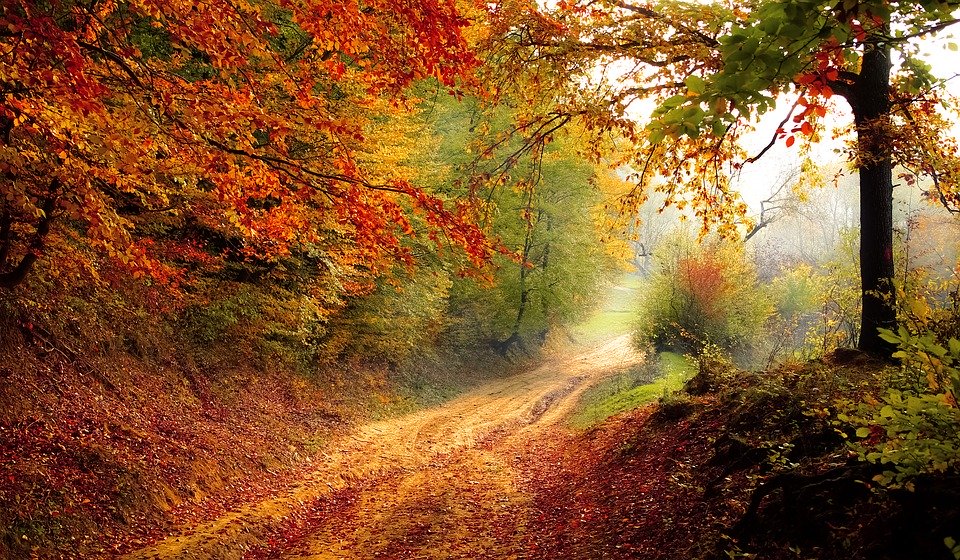
    Each season is rich and full of unique gifts. Fall presents us with beautiful colours and crisp clean air. Winter feels as though the world around us is asleep. Yet it is simply preparing for the beautiful show of the lushness of spring. And summer offers us longer days, and more time to relax with family and friends.

    As you embrace the beauty of Nature’s bounty, reflect on your own connection to Nature and move in harmony with her rhythms as the seasons change.

    *Editor’s Note: The information in this article is intended for your educational use only; does not necessarily reflect the opinions of the Chopra Center’s Mind-Body Medical Group; and is not a substitute for professional medical advice, diagnosis, or treatment. Always seek the advice of your physician or other qualified health providers with any questions you may have regarding a medical condition and before undertaking any diet, supplement, fitness, or other health program.

Call now