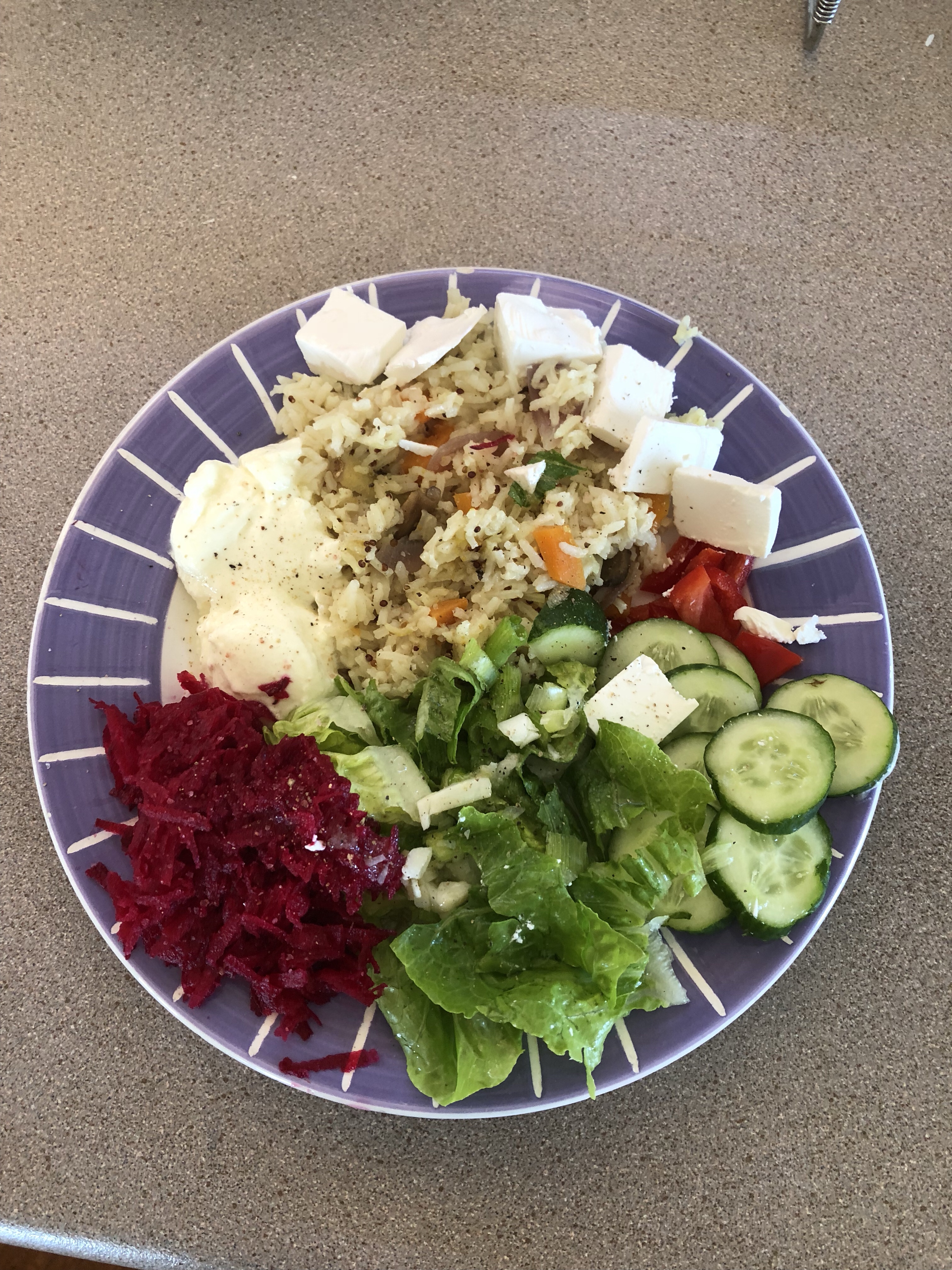
When I studied Ayurveda in India in 2005, I learnt the importance of poo – something we say to children to “ssshhhh – don’t be naughty and speak about poo” – yet children are quite rightly naturally fascinated.
The shape, colour, timing and frequency of your bowel movements are one of the ways main your body speaks to you. And how many know this obvious knowledge know whats normal and actually listen? How often will the Dr ask you about your poo? Your breathing? Your sleep? How much water you drink or look at your tongue or the quality of your hair, nails, gums and skin?
These simple and most obvious qualities about us is not often taught nor is the connection made between all 6 senses and the smooth running of this vehicle ( the body ) for this trip on planet earth.
Below is a fun article that shares some of the secrets of our poos!
So your bowels dropped a broccoli-colored bundle, did they? Well, you’re far from alone as you read this from the porcelain throne. “Why is my poop green?” is one of the most common questions English speakers ask Google.
After looking in the bowl, think back on what you’ve been putting in your mouth lately. You’ll most likely find the answer in what you’ve been eating. But there are also some other causes of colourful stools:
• an underlying medical condition
• antibiotics
• a recent medical procedure
• a bacterial infection
Why is it usually brown, anyway?
The usual brown color of excrement is due to a leftover mix of dead red blood cells and waste from the bacteria in your bowels. The bile in your intestines is usually a yellowish green color, but bacteria add the rest of the hue. Besides making your poop brown, bacteria perform vitally important functions, like helping you to absorb nutrients from your meals.

Feces can be a different color when food doesn’t spend enough time in your digestive tract. This can happen if you have diarrhea. In that case, the contents of your intestines rush through the process too quickly to allow bacteria to give your poo its characteristic hue.
1. It’s probably something you ate
The most common reason for green stool is a dietary habit or change. Food that can cause green stools include:
• kale
• spinach
• broccoli
• blueberries
Dark green vegetables and green powder supplements contain a lot of chlorophyll, the chemical that allows plants to make energy from the sun. This can turn your Cleveland Brown into a Green Bay Packer. That doesn’t mean there’s something wrong. Keep eating those greens!
Some foods contain food coloring that doesn’t get processed properly. This can also leave a colorful residue in your stool. So if you wake up after a St. Patrick’s Day spent imbibing green beer and notice something off when you go to the bathroom, you probably just need some water.
The food coloring you consume doesn’t necessarily have to be green in order to make your poop green. Purple, blue, and black dyes may also lead to green poop. For example, in 2015, fast food chain Burger King went viral with posts from individuals who had purchased their “Halloween Whopper,” which had a black bun. Many people who partook in the Halloween Whopper reported that it turned their poop green after eating it.
2. Bile pigment
Bile is a fluid made in your liver and stored in your gallbladder. This fluid naturally has a green-yellow color. When bile combines with foods you eat, the bile helps to increase the efficiency of pancreatic lipase so your body is able to break down more fat from the diet. This allows more fat to be absorbed into your body in the small intestine.
However, your body must break down bile so it can be excreted as waste. Normally, this is accomplished by traveling a pathway through your intestine. Sometimes when you have diarrhea or other stomach cramping, bile can’t be broken down as quickly. The result can be poop that appears green in tint because of the natural green color of bile salts in your body.

3. Antibiotics and other medications
If you’ve recently been prescribed a course of antibiotics, especially a strong one for a major infection, the medication can kill off large parts of your gut’s normal bacteria. This decreases the population of the brown-staining bacteria in your lower intestine. Probiotics, such as yogurt or kombucha, can help restore balance to your intestinal flora.
Several other medications and supplements can also cause a breakdown in pigments that turns your stool green. Examples of these include:
•indomethacin (Tivorbex), which is a nonsteroidal anti-inflammatory drug used to reduce pain
•iron supplements
• medroxyprogesterone (Depo-Provera), a medicine used for contraceptive
4. Medical procedures
Stool discoloration can also occur after a major medical procedure, like a bone marrow transplant. Should your body reject the transplant, a condition known as graft versus host disease may develop and cause serious gastrointestinal (GI) upset, which can lead to diarrhea and green stools.
5. Parasites, viruses, and bacteria
Parasitic, viral, and bacterial invaders can also be causing your green stool. Yes, your body already contains billions of bacteria that serve a vital purpose. Outsiders, however, can wreak all sorts of havoc on your intestinal output.
Bacteria like Salmonella (the common culprit behind most food poisoning), the water parasite giardia, and norovirus can cause your guts to flush quicker than normal, which can lead to green stool.
If you’re reading this while vacationing, you may be experiencing traveler’s diarrhea. This isn’t considered a serious disorder and usually resolves itself quickly without treatment.
6. Gastrointestinal conditions
If you have Crohn’s disease or another GI condition, bile may move through your intestines too quickly, causing green poop. Crohn’s disease is a bowel disease that causes inflammation in the digestive tract.
Celiac disease, which is an intolerance to gluten, causes a variety of GI problems, such as gas, bloating, diarrhea, and stomach pain. If you have diarrhea or loose stools with celiac disease, you may also have green stools.
Other possible causes of green stools include irritable bowel syndrome, ulcerative colitis, and overuse of laxatives.
7. Anal fissures
Anal fissures are small tears in the tissue lining your anus, often the result of passing a hard stool. But these tears can also develop if you have chronic diarrhea or inflammatory bowel disease. So if you have an anal fissure related to diarrhea, you may notice green stools. Fissures can also cause bright red blood in your stool.
Is green poop a sign of cancer?
Don’t panic or imagine the worst if you have green stools. It’s true that different-colored stools can be a sign of a cancerous tumor. But with cancer, stools are often a black or tarry color. This typically indicates bleeding from somewhere in the upper GI tract. Additionally, sometimes bright red blood occurs in lower GI tract cancers.
Although green stools aren’t usually a cause for concern or a sign of cancer, you shouldn’t ignore green poop that’s accompanied by other symptoms. If you experience green stools without any other symptoms, the culprit is probably leafy green vegetables or food coloring.
If you have other symptoms, such as recurring diarrhea or vomiting that doesn’t improve, this can indicate a medical condition like Crohn’s disease or irritable bowel syndrome. Talk to your doctor.
When to see a doctor
If you’ve experienced diarrhea for more than three days, it’s time to call your doctor and seek medical care. Long-term, untreated diarrhea can lead to dehydration and poor nutritional status.
If your chronic green stool is accompanied by more severe symptoms, such as stomach upset, blood present in the stool, or nausea, these symptoms also warrant a doctor’s visit.
While the nature of the visit may be slightly awkward to discuss, a doctor can review your medication list, diet, and other medical conditions as a means to determine potential causes of chronically green stool.
The takeaway
If you experience green stool as a one-off, it’s highly unlikely to be cause for concern.
However, seeing other colors in your stool may indicate an issue. Bright red signifies potential bleeding in the lower intestines. A black or dark tarry brown could indicate bleeding in your upper GI tract. But remember, it could also be the blueberries or black licorice you had at lunch.
If you’re diagnosed with a medical condition, preventing green poop starts with addressing the underlying problem. For example, avoid foods like gluten that trigger diarrhea if you have celiac disease.
In addition, limit foods that worsen irritable bowel syndrome and Crohn’s disease symptoms, such as caffeine, dairy, greasy foods, and carbonated drinks. Keep a food journal to help identify your triggers.
In most cases, green stool is nothing to worry about. Long-lasting bouts of discolored stool may signal something more serious, but a one-time occurrence usually just means you’re eating your vegetables.
https://www.healthline.com/health/digestive-health/why-is-my-poop-green#takeaway
Share this: Sharing is Caring