Author: Zoe

  • Is yoga a religion or a lifestyle!?

    http://www.yogitimes.com/article/is-yoga-a-religion-spiritual-practice

    how yoga works with any religion
    It’s a hot topic around Facebook, gyms, yoga studios, churches, and Twitter. Is yoga a religion? Can you practice yoga and still hold true to your faith?

    Well, no and yes, respectively.

    When yoga began 5000 years ago, it was linked to the Vedas, which are in the roots of Hinduism. The result is they share a language and some of the chants in a Yoga class refer to the Hindu gods. But yoga in and of itself is not a religion.

    Yoga was formed as a way to sit for hours, days, months, maybe longer in a meditative state. Eventually, the yogi would reach enlightenment. This enlightenment didn’t turn the yogi into a god, or even mean that they worship a god. Enlightenment meant they reached a state of pure bliss, peace, and recognized the inner light of the divine within them.

    That’s it.

    There is no religion. Just a reflection of the spirit in whatever form or god you recognize it to be. And the knowledge that this peace, this piece of the divine, resides within you and within all beings.

    The language is simply Sanskrit, the same way Catholicism in Latin and Judaism is Hebrew.

    So yoga is not a religion. It is not my religion. But it is my spiritual practice.

    My mat is the place where I connect to the divine within me. It’s the place where I find peace through the asanas, through the breath, and finally, through the stillness. In whatever form it may be that day. Some days it’s a headstand or arm balance, some days it’s sukasana, and sometimes it’s the bliss of savasana. But always, it is the place where the light in me sees and honors the light in you.

    IMG_3356.JPG

    IMG_3357.JPG

  • Yoga benefits dementia patients & caregivers

    Yoga benefits dementia patients & caregivers

    Originally published October 20 2014
    Yoga found to benefit dementia patients as well as their caregivers

    by Antonia

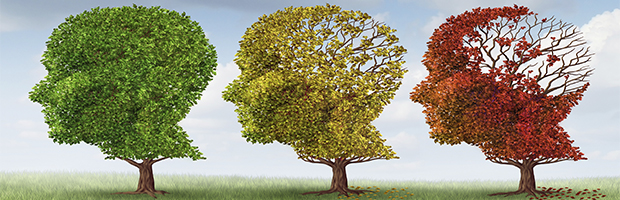
    (NaturalNews) Yoga provides people with a multitude of benefits to their overall health, improving everything from mood and circulation to energy levels and aches. While most people are aware of this, they may not be privy to the fact that it’s also been shown to help those suffering from dementia, such as Alzheimer’s disease. (1) Furthermore, it’s even been found to help caregivers who are helping those with such diseases. (1)

    memory-loss-dementia

    A UK study found that a blend of techniques which are a part of a program called “Happy Antics” and include yoga, tai-chi, qigong and meditation have boosted both mood and memory of those impacted. (1) Individuals affected with early to mid-stage dementia who were aged 52-86 engaged in a series of non-strenuous motions and techniques such as simple stretching and breathing exercises during biweekly sessions, and it was noted that their ability to anticipate the next movements and even remember some sequences increased. (1)

    A lack of social stimulation is harmful for people with dementia

    Dementia patients and their caregivers discover benefits of yoga

    Many participants expressed enjoyment from the sessions, which lasted for six weeks. One patient said they felt better after the relaxation techniques, and another added, “Good company, nice people. Feeling part of a team.” (2)

    “This is an activity that caregivers and patients can do together,” said Yvonne J-Lyn Khoo, lead study author and a researcher with the Health and Social Care Institute at Teesside University in Middlesbrough, UK. “Because everyone is doing the program together, caregivers have peace of mind to at least allow themselves to ‘let go’ and do some exercise.” (2) She explained that having a caregiver participate in the process with them provided a sense of security and assurance for the patients that also promoted a heightened sense of well-being and interest in social interaction.

    “The general impression is that people with dementia don’t exercise, won’t exercise or can’t exercise, but our findings show that it may not necessarily be that way.” (2)

    According to the Alzheimer’s Association, every 67 seconds, someone in the United States is diagnosed with Alzheimer’s, the most common form of dementia, and over 5 million Americans have been diagnosed with the memory-robbing condition. (3)

    signs-of-pain-in-seniors-with-dementia

    Sources:

    (1) http://www.sciencedaily.com

    (2) http://health.usnews.com

    (3) http://www.alz.org

    http://science.naturalnews.com

    About the author:
    A science enthusiast with a keen interest in health nutrition, Antonia has been intensely researching various dieting routines for several years now, weighing their highs and their lows, to bring readers the most interesting info and news in the field. While she is very excited about a high raw diet, she likes to keep a fair and balanced approach towards non-raw methods of food preparation as well.

    Read more: http://rawandnaturalhealth.com/author/antoni…

    http://www.naturalnews.com/z047318_yoga_dementia_caregivers.html


  • Food is medicine

    Ayurveda recognises our food as a form of medicine. Likewise stating the pantry is the natural form of the medicine cabinet. We need to be in tune with our bodies signals of what does and doesn’t suit our system.

    Discover your dosha here by taking our dosha test at Bondi Yoga Therapy. It is good to know what foods suit your digestive system. Some people have a fast digestive system with a strong agni to move the food quickly through their body. These types miss out on absorbing the nutrients from the food and they feel hungry often. The stomach feels empty and burning and this can effect their temperament.

    Digestive system

    Then there are others who have a slow digestive system which does not move the food through. They are prone to a toxic build up in their system from the rotting food that can sit there for days at a time. They can benefit from eating food that is easier to digest.

    Today in the supermarkets we can purchase foods from all over the world. These foods can be out of season which can have a problem with our digestive system. As it is out of tune with our environment. Our body functions best when we eat seasonal foods.  Then food we eat can benefit us.

    Digestion is not just limited to what we eat. We are also effected by sounds, smells, sights, and many other energies. Listening to our body and working in tune with the environment and knowing what is vexatious to our spirit is a form of self love.

    IMG_2847-0.JPG

Call now