Author: Zoe

  • Learn how to stay well in the change of season 

    Learn how to stay well in the change of season 

    The groans and moans can be heard from people who do not make the seasonal adjustments. Ayurveda teaches us how to stay well in the change of season. We need to make conscious changes to our diet and lifestyle. My father used to say to me, when it is raining go to bed like the animals do. However if we need to be at work each morning or we have families to attend, this is not always feasible 🙂

    To alleviate many painful symptoms of dis-ease knowing my dosha or body constitution and living a Yoga Ayurveda lifestyle is the answer. I know how to bring myself into balance.  I think the quest of life is to know how to bring our body to a balanced state. For this I need to have an attitude of enquiry to review what does and doesn’t work for me. A small example is that we are constantly moving around from artificial heating into the fresh air. The temperature change is a shock to the internal body. This results in a weakening of the immune system with a susceptibility to colds and flu.

    Ayurveda and Yoga the sister sciences

    An article below from the Deepak Chopra centre brings to attention the often missed aspect of Yoga and Ayurveda combined. Ayurveda is likened to The Science of Life. Combining Yoga with Ayurveda as traditionally taught, compliments the other. Yoga and Ayurveda are sister sciences. Ayurveda speaks of what we ingest through our senses. The eyes, ears, nose, mouth, skin and even the people we hang out with.

    how stay well change season

    Many overlook Ayurveda as they only know a little bit and pass it off as too complicated. In my experience the principles of Ayurveda are seen all around us. This can be as simple or as complicated as we make it.  Likewise, even in the people we meet, tolerance is brought about by understanding the unique doshic challenges. Even the doshas are within the animals my cat is a Pitta! Simply speaking with people on the phone after some time their dosha becomes aparant.  It is also very obvious in government representatives by the way they communicate and act etc. A Pitta person can often display control and competitiveness for example.

    Acceptance comes through the sister sciences of Yoga Ayurveda

    Knowing the principles of Ayurveda and the body constitution of a person has given me acceptance and tolerance. When out of balance people can not help but be the way they are.  Similarly behaviour and moods are effected by what we put into our senses. Often people are attracted to what increases their dosha – “like increases like”. For instance a Pitta person will push themselves even harder and stoke their fire. A Vata person will fight against a routine and increase their instability, whereas a Kapha person will lie around and decrease their motivation.

    Fortunately as I have matured and learnt more about myself, I recognise that my self enquiry has been a great gift. As well as, I can see how this benefits others. I love to share my everyday view of Yoga and Ayurveda.

    The seasons reflect all three doshas

    Vata Dosha qualities

    The ‘qualities’ or characteristics of Vata are light, dry, rough, clear, active, cold and mobile, and pungent, bitter and astringent in taste. Therefore, choosing more of the qualities or characteristics in food and lifestyle choices which have the opposite effect such as heavy, moist, smooth, sticky, slow, warm, stable, salty, sour and sweet helps to maintain balance or bring excess Vata back into equilibrium.

    Kapha Dosha qualities

    The ‘qualities’ or characteristics of Kapha are cold, moist, heavy, dull, static, smooth, dense, oily and soft, and sweet, sour and salty in taste. Therefore, choosing more of the qualities or characteristics in food and lifestyle choices which have the opposite effect such as hot, dry, clear, light, sharp, active, rough, bitter, pungent and salty helps to maintain balance or bring excess Kapha back into equilibrium.

    Pitta Dosha qualities

    The ‘qualities’ or characteristics of Pitta are oily, sharp, hot, light, fleshy, spreading and liquid, and salty, sour and pungent in taste. Therefore, choosing more of the qualities or characteristics in food and lifestyle choices which have the opposite effect such as rough, dull, cold, heavy, static, hard, dry, bitter, astringent and sweet helps to maintain balance or bring excess Pitta back into equilibrium.

    Vata ayurveda

    Learn to adjust and stay well in change season

    We are all part of nature and as a result, are affected by her doshas. Taking better care to feel balanced moving through the seasons will enhance health. Our doshas is affected by internal and external sources.

    Greater health and well-being is achieved by staying in harmony with the change in seasons. Knowing what dosha is dominant is how to stay well and stave off any colds and flu. When our fighting cells are being used to keep warm we are vulnerable to attack.

    For instance, the transition from winter to spring is considered a Kapha season because it is wet, even though it is getting warmer. So therefore the excess water can increase kapha.

    Seasonal eating learn how stay well in change season

    As summer approaches and the temperatures rise, the Pitta is strong this is the fire element. Pitta when out of balance already has an excess of fire and like increases like. Whereas Vata and Kapha are cold doshas and are soothed in the heat. Likewise the digestive fire is strongest in the middle of the day, and for those with weak digestion it is advisable to eat at this time.

    how stay well change season

    During Kapha season, those who are of the Vata dosha would benefit from eating more warm foods and incorporating sweet tastes. In turn they help to create mass and keep Vata’s grounded. Kapha’s should focus on lighter, crispier foods to bring some lightness back into their bodies. Pittas feel more in balance when they integrate astringent and bitter tastes into their meals.

    Seasonal Exercise

    Exercise is important for all people, and the type of activity you choose can have a balancing effect on each dosha. People with a dominant Kapha dosha need to stay committed to, or even increase, exercise during the wetter months. Energising activities such as running, spin classes, flow yoga, and other enlivening routines are best.

    Activity is also highly recommended in order to balance the water component of the Pitta dosha. However, Pittas would be best served engaging in energetic exercises that do not entail too much competition. Again like increases like and competition will cause the fire element to become imbalanced.

    Vata’s enjoy activities like yoga, tai chi, or long nature walks when weather permits, to help them stay grounded. The Vata nature is very changeable and their challenge is to maintain a routine.

    yogaayurvedabondi

    Year-Round Meditation

    All mind-body types benefit from meditation. During the winter and spring months, stay committed to your meditation practice.

    Vata’s will find this practice stabilising, especially when focusing to be centered. Kapha’s will benefit by adding energising pranayama, or breathing techniques. A good idea is to the start and end their meditation routines with these techniques. Those with a predominantly Pitta dosha will feel balanced from the calming effects of a regular meditation practice.

    The Role of Temperature

    Temperature affects each mind-body type differently. Thanks to Pitta’s natural fire, those who are Pitta dosha can find themselves feeling warm, even in winter. Heat aggravates this dosha, so it’s important for Pittas to go outside into the cold weather once in a while. Conversely, Kapha’s and Vata’s both should do what they can to stay warm.

    Changes in weather and the seasons affect your mood. For instance, short, grey, and damp days sometimes make people feel sad or depressed. Those with a Kapha dosha are particularly sensitive to cloudy and colder weather. Kapha’s should try to wear bright colours and surround themselves with uplifting shades. Vata’s find greater balance from muted, grounding colours; and those who are Pitta dosha do well with earth tones in both clothing and living spaces.

    Find balance as you transition between seasons by following these tips:

    Give yourself a daily Ayurvedic self-massage, also known as an abhyanga. Or at least once a week.

    Engage in a detoxifying one-day cleanse to prepare for the new season ahead. The cleanse need not be a complete fast. Instead, consume all food in liquid form to help gently detoxify the body.

    As the end of spring nears, begin to incorporate a more Pitta-balancing diet into your daily routine. Reduce spicy, sour, and salty foods are ways Pitta’s find balance. Similarly every dosha will benefit by adopting this healthy eating style.

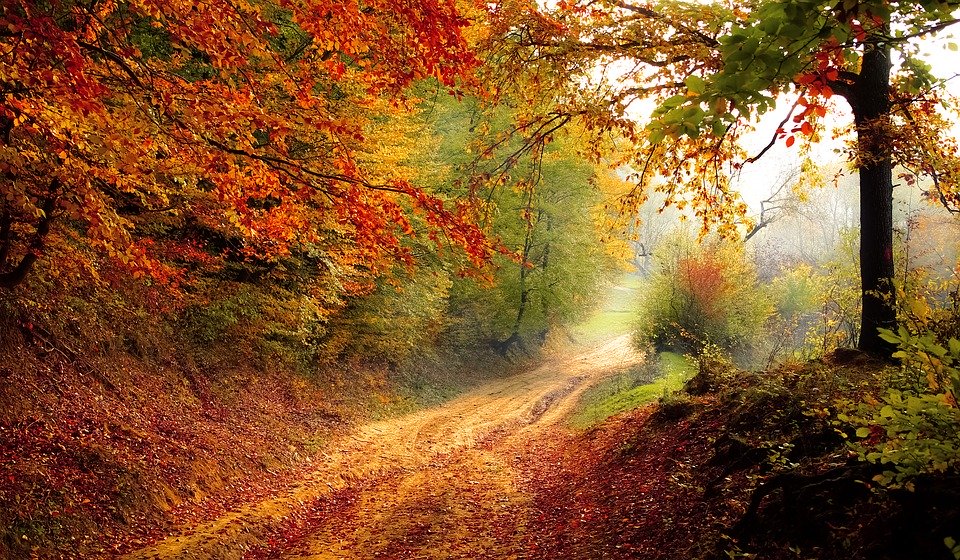
    Each season is rich and full of unique gifts. Fall presents us with beautiful colours and crisp clean air. Winter feels as though the world around us is asleep. Yet it is simply preparing for the beautiful show of the lushness of spring. And summer offers us longer days, and more time to relax with family and friends.

    As you embrace the beauty of Nature’s bounty, reflect on your own connection to Nature and move in harmony with her rhythms as the seasons change.

    *Editor’s Note: The information in this article is intended for your educational use only; does not necessarily reflect the opinions of the Chopra Center’s Mind-Body Medical Group; and is not a substitute for professional medical advice, diagnosis, or treatment. Always seek the advice of your physician or other qualified health providers with any questions you may have regarding a medical condition and before undertaking any diet, supplement, fitness, or other health program.

  •  Ayurveda tastes of Food

    How to eat foods that suit your digestion

    The wisdom of Ayurveda nutrition rests on the tip of your tongue, literally!  According to Ayurveda, the tastes of food are a natural guide-map towards proper nutrition.  When in tune with yourself, you will instinctively sense what is good or bad for your body. However many people are not in tune with themselves.  In fact they gravitate to what is actually bad for their health. In this instance “like increases like”.

    tongue health

    For example the Pitta dosha, the fiery type after eating fiery spicy foods becomes more fiery. The heavy, wet person predominately Kapha, after eating stodgy fried or sweet moist foods feels heavier.  If you are the slight, dry Vata type, eating light dry bitter or pungent foods increases the Vata. Increasing a dosha has negative effects on your health, it is important to aim for balance.

    Sensual bombardment

    I know this sounds crazy to think, but some people are so disconnected from themselves.  Watch as children grow and loose the natural intuitive wisdom they once had as little ones. Technology is designed to disconnect us from our selves. They are push technologies constantly feeding our mind. What goes into the mind effects the body.

    Learn to listen to your bodies signals is enhanced when practicing Yoga asanas on a regular basis. Many of us have lost the connection with ourselves, due to living in artificial environments. It feels so good being in out nature around the green soothing energy.

    sensory overload ayurveda

    Today our lives are spinning at such a fast pace.  The recent lockdown was a welcome relief to many. Likewise our attention is being drawn outside of ourselves through our senses, as we are constantly being encouraged to consume. All to keep the economy growing. However, if you spend too long in a shopping centre in the air conditioning, artificial lights and intrusive sounds, soon enough we are in overwhelm. Have you noticed children getting fed up in a shopping centre, lucky they are strapped in their buggies. Alternatively then notice how happy they are in nature. Constantly we are bombarded by sights, sounds, smells and sensations.

    You are what you eat

    There is a direct correlation between what we eat, how we eat it, how it is cooked, time of eating and our emotional state when eating. What we ingest through our body via our senses has a direct correlation on the body and mind.  Ayurveda nutritioin

    Many people today eat imported foods, that are out of season. Our body needs to eat foods that are in season. When the weather is cold we need to eat warm foods. Notice what foods are grown in each season.  Packaged foods are full of preservatives to increase their shelf life. Often we have no idea what these chemicals are that we are ingesting. Likewise the foods are totally removed from their natural resemblance. Research shows that  many of today’s children  have no idea of the original source of foods. For instance have you ever seen a pringle or sticky fruit bar tree?

    Eat what suits your digestion

    If the food you eat does not suit your body type (dosha) you will feel bloated, constipated, restless or your skin erupts. Furthermore your sleep and mood gets altered. As well as you become lethargic, anxious or in the fighting spirit. When our food is not digested properly it sits in the gut and colon for too long.  Consequently this becomes rancid and toxic. Toxicity in the body travels through the blood into the organs, brain and joints. On the other hand if the food is digested too quickly, the nutrients are not be absorbed. As a result you become malnourished.

    Ayurveda describes the 6 Tastes of food

    Sweet – Sour – Salty – Bitter – Pungent -Astringent.
    Tastes of food Ayurveda

    Ayurveda identifies 6 Tastes in which all foods are categorised. While the first four tastes are recognisable, the last two are not so familiar. Pungent taste is hot and spicy as found in a chilli pepper, while Astringent taste is dry and light as found in popcorn.

    Eat foods to suit your digestive fire

    In Ayurveda the digestive fire is called the agni.  The agni is situated below the navel.  It is responsible for cooking the food to pass through the body. A weak digestive fire is unable to process the food and it sits there. The digestive fire is effected by many conditions that enter the body via our senses:- the mouth, ears, eyes, nose, skin and mind. As our body ages our digestive fire weakens. To counteract this, one of the focuses of Yoga Works for Over 40s is on the digestive fire. We pay particular attention to the breathing (pranayama) and opening exercises (asanas) to cleanse the blood.

    Include all 6 Tastes in each meal

    The 6 Tastes provide a user-friendly guide map for how to nourish ourselves. Rather than looking at nutritional labels for X amount of protein or Y amount of carbohydrates, the 6 Tastes naturally guide us towards our body’s nutritional needs. Each taste feeds our mind, body, senses, and spirit in its own unique way. From a modern nutritional perspective, the 6 Tastes satisfy each of the major dietary building blocks. Sweet foods, for example, are rich in fats, proteins, carbohydrates, and water, whereas Bitter and Astringent foods are high in vitamins and minerals.

    Include 6 tastes of food

    When the connection is strong between our mind and body we hear and notice the sensations.  They are signals from the brain such as, we require energy in the form of food. Therefore it is wise to incorporate all 6 Tastes into each meal. In this way we ensure that these signals are adequately met, thus avoiding food cravings or the over-consumption of certain foods.

    Including the 6 Tastes in each meal doesn’t need to be a daunting task. Adding a squeeze of lemon to cooked dishes, for example, quickly satisfies the Sour taste. Additionally adding a side salad will fulfil the Bitter and Astringent tastes.

    Your constitution determines the proportion of tastes to eat

    Your body naturally desires tastes that balance its doshic makeup and shuns tastes of an aggravating nature. In this sense, things are made pretty easy for us.  All we need to do is simply follow our balanced and natural inclinations, then we are led to the proper foods. Vata individuals when in balance, for example, are naturally drawn to moist, grounding foods. Alternatively Kapha individuals when in balance, favour light, drying foods.

    Ayurvedic nutrition recommends including all 6 tastes in each meal.  As well as favouring those tastes that bring greater balance to your particular constitution. A Pitta individual when balanced, for example, will favour cooling foods and spices such as dark leafy greens and fennel, These foods are high in the Bitter and Astringent tastes, while requiring a smaller quantity of the Pungent taste.

    AYURVEDA TASTES OF FOOD

    Ayurveda Tastes of Food


    Yoga Ayurveda Recovery (online classes) help you to sleep better especially after our Sleepy Time Yoga Therapy on Thursday nights. Each class is recorded and put into a private Facebook group. With the option to view our class replays at a time that suits you. Also we drop in there Ayurveda Everyday tips that help you digest life.

    People who attend our Lunchtime Chair Yoga Therapy classes are challenged at first to put the tools down, sit and breathe.

    Jane Otton Calm Mind College

    Jane one of our members said she had to do a little self talk to wind down into the Chair Yoga Therapy. She just loves the class because it is in the middle of the day when she is so in her head. Jane said this class is exactly what she needs most, her mind and body is refreshed for the rest of the day.

    Yoga Works for Over 40s (online classes)

    Our Good Morning Yoga therapy class clears the head and brings our energy up, so we are ready for the day with bright enthusiasm. We set the tone with the breathing stretches to start the day with gratitude.

    Find more information about our services here.

    Watch class videos on our Youtube Chanel here.

    We would love to hear from you please send us a note below

  • Yoga, Ayurveda Therapy combined

    Yoga, Ayurveda Therapy combined

    No need to fly to Bali – you can learn about Yoga and Ayurveda as a personalised therapy where we address all areas of your lifestyle. We provide a range of services that will guide and support you to live in line with your unique constitution using the tools of Yoga, Ayurveda and Recovery.

    In Ayurveda, understanding what you need to do to achieve total health is as simple as understanding your dosha: Vata, Pita and Kapha – the three fundamental principles of nature which govern the activities of your mind and body. Start off with our short quiz here to develop a guide to implement further investigation.

    Once you have worked out your unique dosha body-type you can then balance it by changing your diet and lifestyle. We all have a certain amount of Vata, Pita and Kapha in our constitution and while all three of them are active, one or two usually dominate.

    Combining Yoga, Ayurveda and Recovery

    Ayurveda, which translates roughly to “the science of life” is the traditional health system of India.  Ayurveda is based on the idea that we are all born with a specific constitution or “dosha”. We can’t change it but we can use it in our favour and achieve optimal health by eating, exercising and living according to our unique makeup.

    It is not a one-size-fits-all approach to living and health as in most other methods. Ayurveda uses natural, drug free, methods and when you learn about them you will recognise the common sense. The treatments are harmless with no side effects and can give you health and vitality.

    Yoga Ayurveda therapy online

    As wholistic lifestyle choice

    In a Yoga and Ayurveda therapy consultation we look at many things. This includes your body shape, lifestyle and family history. We help you to tweak your behaviours in incremental ways inline with this ancient tradition. You can also recommendations for an exercise plan and diet guidelines that will best suit your body type. For instance, in Ayurveda, the raw-food diet that is so popular among many in the wellbeing industry, is problematic especially for Vata and Kapha types with sluggish digestive systems. If you eat raw at dinner, it might bloat your stomach.

    Pita the Fire dosha

    pita dosha qualities

    The fire dosha – Pita has a strong digestion. You can eat anything for lunch and for dinner, soft-cooked is better. Coffee, on the other hand is good for the earth personality – Kapha. You need coffee to stimulate you and for the fire personality, it kick starts the day. For the Vata dosha it can increase anxiety and fear. 

    Daily exercise is also prescribed for all dosha types but in varying degrees. The Pita type with their intense mental activity tends to create tension in the body by over doing it. Likewise the Pita person can push themselves too hard in line with their competitive spirit. They will find the classes too slow, or too soft and will favour more of the combative martial arts. However this will increase their fire and can cause anger, digestive problems and control issues. The tastes to best suit Pita are sweet, bitter and astringent.

    Kapha the Earth dosha

    The earth dosha – Kapha needs a regular exercise program that stimulates their system, although at times they will need soothing. It is hard to get them motivated to attend a regular class and are the type to buy the monthly pass yet find excuses not to attend. However once they commit to a regular practice and get into a routine they will stick at it and receive many benefits.

    The earth dosha – Kapha naturally gravitates towards fried and heavy foods and all they have to do is walk past food and put on weight. They are constantly talking about the next diet, or they are on a path to change their diet, but often lack the self discipline. The digestive fire is not as strong as a Pita and caution needs to be take with what they can and cannot digest. The tastes that best suit the kapha are pungent, bitter and astringent.

    Kapha dosha qualities

    Vata the Air dosha

    The air dosha – Vata needs a soothing and regular Yoga practice to calm the nervous system and will create stability. This type will be enthusiastic to start the classes but may have problems getting there on a regular basis. Their mind will be racing throughout the class and the Yoga therapist will help Vata types by directing their awareness to the breath and connect wit the body sensations.

    Vata types love to eat light foods such as salads and they will do better including warm steamed root vegetables. Eating lunch in the middle of the day when their digestive fire is strong and sipping warm water throughout the meal aids digestion. The tastes that best suit the vata type are sweet, sour and salty. Often their food intake can be irregular, however sticking to a regular routine will be of great digestive benefit.

    Vata dosha qualties

    Ayurveda recognises individual differences

    “For earth personalities letting go is the hardest thing. More and more exercise they do, more easier on yourself you will be.” There is nothing “woo woo” about the advice, a point worth mentioning simply because of a lack of Western research into the efficacy of the approach.  It is simply about becoming more attuned to our own nature so we can tend to ourselves correctly.

    If a person is fire they cannot change to air, air to fire, nothing, but we can learn to use it in our favour instead of fighting with it the whole time. There is a saying in Ayurveda: if you can let go of the imperfections, perfection will appear by itself.

    celebrating Individual differences Yoga therapy

    Yoga Ayurveda for special needs

    As we age our bodies change. There are so many benefits to gain from bringing Yoga and Ayurveda into your life and it doesn’t matter your age or condition! We can also experience ongoing pain from past injuries that can reoccur due to change of season. Learning how to look after your body in a natural way without having to resort to medications is empowering.

    Each practice has positive effects on the pineal gland which is the seat of our intuition and inner wisdom. You can read more about that here.

    For more information contact Zoe on +61 407 956 071

    Yoga therapy Yoga works with Zoe
    Yoga Works Better with Ayurveda
    Yoga Works for Over 40s
    Svastha Yoga Ayurveda

Call now